
How to Choose a Reputable French Bulldog Breeder: Red Flags vs. Green Flags
Last year, a family from Michigan sent me a message that broke my heart. After months of saving, they had just brought home their French Bulldog puppy from what they thought was a reputable French Bulldog breeder. Within two weeks, a devastating discovery came: he had serious breathing problems and a heart murmur. The veterinary costs would exceed thousands of dollars. When they attempted to contact the breeder for guidance or support, they found only silence—no return calls, no answers, just a sick puppy and a heartbroken family.
This story is far from unique. Over the past decade, French Bulldogs have exploded in popularity. While this brings joy to many families, it has also opened doors for bad breeders, puppy mills, and scammers. These operations prioritize profit over health. They do not care about the families who trust them. More importantly, they do not care about the dogs themselves. Their only concern is the money.
Here lies the core problem: nearly every breeder claims to be “ethical” and “reputable.” So how do you know who to truly trust? How do you find a reputable French Bulldog breeder who actually prioritizes health and transparency? How do you separate genuine advocates for the breed from those simply chasing profit?
Throughout this guide, I will share the specific red flags that should make you walk away immediately. Equally important, I will highlight the green flags that signal you have found a reputable breeder truly committed to the breed. By the time you finish reading, you will understand exactly what questions to ask any reputable French Bulldog breeder and what genuine ethical breeding looks like.
Why Finding a Reputable French Bulldog Breeder Matters
Selecting the right breeder extends far beyond finding a cute puppy. This choice directly impacts your dog’s potential for a long, healthy, and genuinely happy life. Furthermore, it protects your family from the emotional devastation and financial burden of preventable health issues.

The Hidden Cost of Cheap Puppies
At first glance, a French Bulldog puppy listed for significantly less than competing breeders might appear to be an incredible bargain. However, pricing tells a story. Responsible breeders invest thousands of dollars into each litter—health testing, veterinary care, premium nutrition, and more. For French Bulldogs, this expense becomes even greater: the breed cannot reproduce naturally. Every pregnancy requires artificial insemination, and every birth demands a cesarean section. This single reality costs thousands of dollars per litter.
Breeders who skip these crucial steps can offer cheaper puppies because they cut corners. You will pay that price later—often through extensive veterinary bills and the heartbreak of watching a young dog suffer preventable conditions.
Health Issues from Poor Breeding
French Bulldogs already face inherent health challenges due to their distinctive flat faces. When breeders neglect genetic health testing or breed dogs with known problems, these risks multiply dramatically. Puppies from irresponsible operations are far more likely to develop serious issues: hip dysplasia, progressive vision loss, respiratory complications, and chronic skin conditions.
These are not minor inconveniences—they represent serious, lifelong conditions requiring ongoing veterinary care and expensive treatments. In contrast, reputable breeders work methodically to prevent these problems through rigorous health testing and thoughtful breeding decisions.
The Emotional and Financial Toll
Beyond the immediate financial cost lies something far more devastating: the emotional weight. Watching a puppy you love struggle with health problems that could have been prevented is profoundly heartbreaking. Families who purchase from puppy mills often face impossible choices. Do you pursue emergency surgery for a few-month-old puppy, draining your savings? Or do you surrender a dog you have already bonded with because you cannot afford proper care?
A responsible French Bulldog breeder does not disappear after you leave with your puppy. They remain available, offering guidance and support throughout your dog’s entire life. They care about the dogs they bring into the world—not just the profit they generate.
What Makes a Breeder “Reputable”?
A truly reputable breeder prioritizes the health of their dogs above profit. Rather than mass-producing puppies, a reputable French Bulldog breeder works intentionally to improve the breed through careful, informed practices and comprehensive health testing.
Here is what defines ethical breeding: comprehensive genetic testing of all breeding dogs, limited litters each year, transparency about breeding practices, written health guarantees and contracts, and lifetime breeder support. Beyond these practices, responsible breeders are selective about where their puppies go. They interview families thoroughly. They ask detailed questions. Most importantly, they will turn away buyers who are not a good fit—even if it means losing a sale.
Red Flags: Warning Signs of Puppy Mills and Backyard Breeders
As you evaluate potential breeders, watch closely for these warning signs. Even one or two of these red flags should give you serious pause.
No Health Testing Documentation or Vague Answers
When a breeder cannot provide health testing results, you have encountered a major problem. Good breeders test their breeding dogs for genetic diseases and gladly share the documentation. Specifically, they screen for degenerative myelopathy, hereditary cataracts, juvenile hereditary cataracts, hyperuricosuria, and cystinuria.
Ask directly about their testing protocol. A reputable breeder will explain each test clearly and provide proof immediately. If someone responds vaguely—saying only “my dogs are healthy” without documentation—do not hesitate to move on.
Puppies Are Always Available (No Waitlist)
Responsible breeders maintain waitlists. They do not produce litters constantly or on demand. When a breeder always has puppies available, this typically signals a puppy mill mentality.
Consider the breeder’s process: Do they screen families before breeding? Do they thoughtfully match puppies to homes? If there is no waitlist and no interview process, the breeder cares more about moving inventory than finding the right homes.
Multiple Breeds or Litters Available Year-Round
Breeding French Bulldogs ethically requires deep knowledge, significant time, and substantial financial investment. Breeders who focus on one or two breeds gain genuine expertise in their genetics and health challenges. Conversely, when you see a breeder juggling multiple breeds simultaneously, you are likely looking at a puppy mill operation.
Quality-focused breeders typically limit themselves to one to three litters per year. This discipline ensures breeding mothers have adequate recovery time and each litter receives the attention it deserves.
Selling Puppies Under 8 Weeks Old
Puppies need to remain with their mother and littermates for a minimum of eight weeks. During this critical period, they learn essential social skills from their dam and siblings. Breeders who want to release puppies earlier care more about quick sales than the puppy’s wellbeing. Many regions have actually made this practice illegal for good reason.
Pressure to Pay Quickly (Cash Only or Gift Cards)
Scammers and unethical breeders frequently pressure buyers to send payment immediately. They demand cash or gift cards. Additionally, they create artificial urgency by claiming the puppy is the “last one available” or that someone else is about to make a deposit. This pressure prevents you from thinking clearly and conducting proper research.
Real breeders do not rush families. They want you to take time, ask questions, and feel confident. Furthermore, they accept standard payment methods and provide protective contracts for both parties.
No Contract or Health Guarantee
A reputable breeder always provides a written contract and health guarantee. This document outlines the responsibilities of both breeder and buyer. It includes provisions for what happens if you cannot keep the dog. The contract protects everyone involved.
If a breeder refuses to provide a contract or health guarantee, understand why: they do not want to be held responsible for the puppies they have brought into the world.
They Do Not Ask You Questions
One of the clearest signs of a good breeder is their thorough questioning during the interview process. Ethical breeders want to know about your home, your experience with dogs, your work schedule, and your training plans. They investigate because they care where their puppies go.
Unethical breeders, conversely, do not ask questions. They will sell to anyone with money because they view puppies as products, not living beings.
Poor Communication or Avoiding Your Questions
Pay close attention to how a breeder responds to you. Do they answer messages promptly? Do they address your questions fully and honestly? Or do they dodge certain topics?
Good breeders communicate openly and enthusiastically. They want families to feel informed and confident. If a breeder avoids your questions or responds slowly, this inconsistency reveals something important: they may not have your best interests in mind.
Green Flags: Signs You Have Found an Ethical French Bulldog Breeder
These positive indicators tell you that you are working with someone genuinely committed to the breed.
Comprehensive Health Testing for Common Genetic Disorders
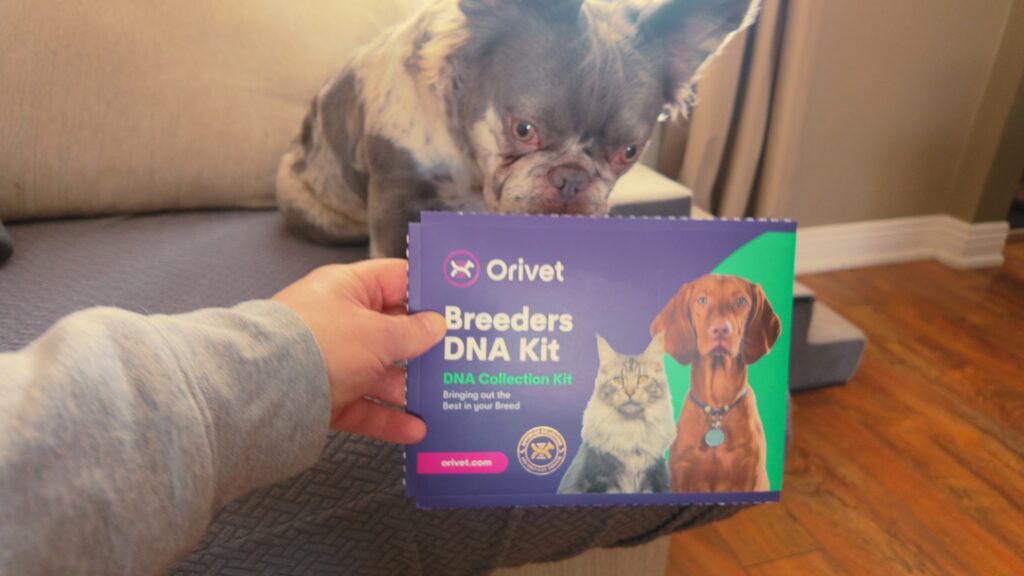
A quality French Bulldog breeder tests all breeding dogs before breeding them. At minimum, they screen for degenerative myelopathy, hereditary cataracts, juvenile hereditary cataracts, hyperuricosuria, cystinuria, and other significant health markers. Additionally, they use this testing information to make informed breeding decisions.
Importantly, good breeders can show you test results and explain what the findings mean for your puppy’s potential health.
Transparent About Breeding Practices and Philosophy
Good breeders openly discuss their breeding approach. They explain their goals for improving the breed. Furthermore, they describe exactly how they select which dogs to breed and what health and personality traits they prioritize. You will hear about the puppy’s parents, how the breeder raises littermates, and their socialization methods. If a breeder is proud of their work and willing to discuss it openly, this is an excellent sign.
Has a Waitlist and Limited Annual Litters
Responsible breeders do not breed on demand. Instead, they maintain waitlists and plan litters strategically. This approach ensures breeding dogs have proper recovery time between pregnancies. Additionally, it means every litter receives the attention and care it truly deserves. A waitlist indicates the breeder prioritizes quality over quantity.
Provides Detailed Health Guarantees and Contracts
A reputable breeder provides a comprehensive written contract outlining the terms of your purchase. The document includes a detailed health guarantee that specifies what happens if your puppy develops a serious genetic health problem. Additionally, it contains a return policy ensuring the breeder will always take the dog back if circumstances change.
This contract protects both you and the breeder, and it demonstrates their confidence in their breeding practices.
Interviews Potential Families Thoroughly
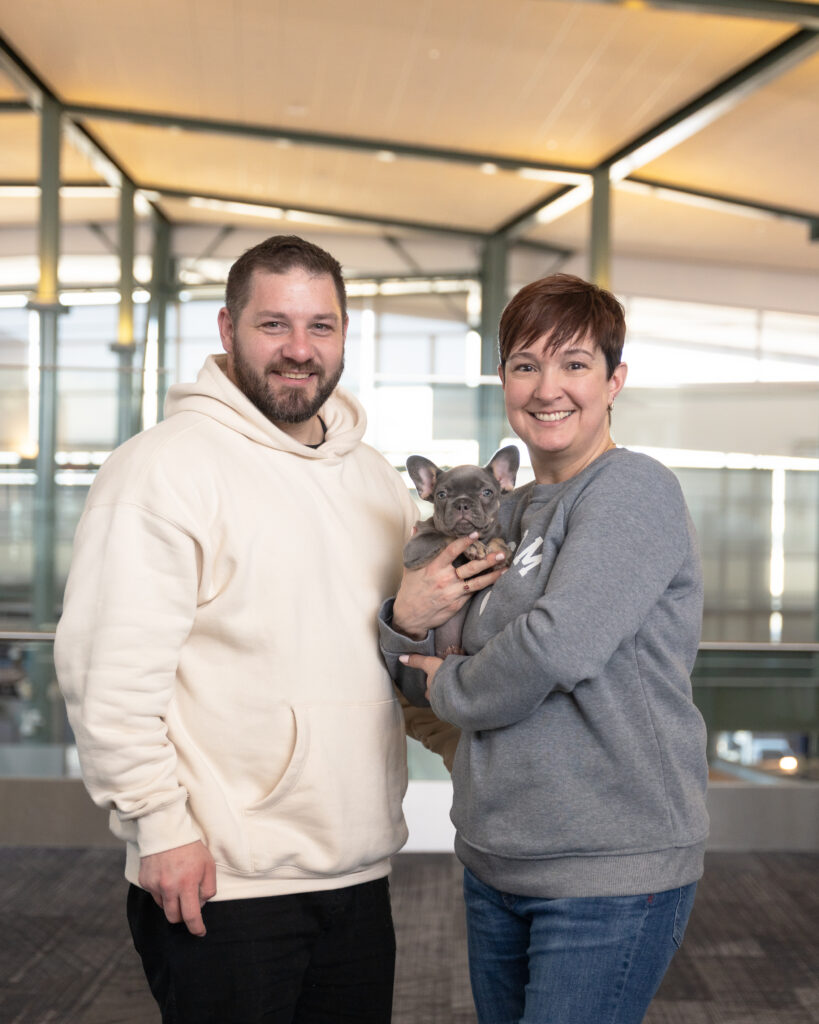
Good breeders do not sell to just anyone with money. Instead, they conduct thorough interviews, often via phone or video call. They ask about your lifestyle, your experience with dogs, your home environment, and your expectations. One family who adopted from My Pawesome Frenchie described the comprehensive interview process and subsequent communication as exceptionally thorough. When they took their new French Bulldog to the veterinarian for a checkup, the vet commented on how organized the breeder’s medical records were and confirmed the puppy was remarkably healthy.

Offers Lifetime Breeder Support
A responsible breeder remains available for the entire life of your dog. After you take your puppy home, they do not vanish. Instead, they provide ongoing guidance about training, nutrition, health, and behavior. Moreover, they check in periodically to see how your puppy is developing.
This lifetime support is genuinely one of the most valuable aspects of working with an ethical breeder. You have a knowledgeable partner who understands the breed, knows your dog’s family history, and genuinely cares about the dog’s wellbeing.
Maintains Regular Communication During the Process
From your initial inquiry through the day you bring your puppy home, a good breeder keeps you informed. During pregnancy, they provide updates. As puppies are born and grow, they share photos and videos. Throughout, they communicate clearly about timing and next steps.
This consistent communication builds trust and helps families feel genuinely connected to the process.
Essential Questions to Ask a French Bulldog Breeder
Use these questions to distinguish ethical breeders from those cutting corners.
What health testing do you perform on breeding dogs?
Ask specifically about genetic health testing. A good breeder will list the tests they conduct and provide documentation immediately. If they cannot answer clearly or seem defensive, this is worth noting.
How much communication is there between families and the breeder when there is a litter?
This question reveals how engaged the breeder truly is. Good breeders provide regular updates, share photos and videos, and keep families informed throughout the process.
What is your return policy if I cannot keep the dog?
A responsible breeder will always accept a dog back, regardless of the reason or how much time has passed. If a breeder does not have a clear return policy, they have not fully accepted responsibility for their puppies.
How many litters do you produce per year?
Quality-focused breeders limit themselves to one to three litters annually. This number reflects their commitment to health and individual attention.
What is included in your health guarantee?
Ask specifically what the guarantee covers, how long it remains valid, and what happens if a genetic health issue surfaces. Vague or limited guarantees should raise concerns.
How to Avoid French Bulldog Puppy Scams
Beyond evaluating breeders, you must also protect yourself from outright fraud.
Reverse Image Search Puppy Photos
Scammers frequently steal photos from legitimate breeders or stock photo websites. Before sending any money, conduct a reverse image search on the puppy photos. If the same images appear on multiple websites, you have found a scam.
Never Send Money Without Video Calls or Virtual Tours
Legitimate breeders will connect with you via video call. They will show you the puppies and introduce you to the mother dog. If a breeder refuses video communication or responds only via text, exercise extreme caution. Never, under any circumstances, send money without seeing the puppies and where they are raised.
Watch for Stock Photos and Fake Reviews
Be skeptical of websites that appear too polished or perfect. Stock photos, generic testimonials, and overly slick marketing often signal a scam. Instead, look for authentic content: real photos, honest videos, and genuine social media activity.
Trust Your Gut If Something Feels Off
If something does not feel right, trust that instinct. If the breeder is evasive, if the deal seems too good to be true, or if you feel pressured, step back. An ethical breeder will never make you uncomfortable or rush you into a decision.
Conclusion
Finding a reputable French Bulldog breeder requires time, research, and careful evaluation. However, this investment pays genuine dividends. When you work with a breeder who prioritizes health, demonstrates transparency, and commits to lifetime support, you gain far more than a puppy. You gain a trusted partner who will stand by your dog for life.
As you evaluate potential breeders, remember the red flags: missing health testing, puppies always available, pressure to pay quickly, and poor communication. Simultaneously, look for the green flags: thorough genetic screening, transparency, limited litters, detailed contracts, and real commitment to each dog’s future.
The breeder you choose will fundamentally shape your experience as a French Bulldog owner. Select someone who cares about your dog’s future as much as you do. If you are ready to meet one of our upcoming French Bulldog puppies or join our waitlist, visit the website and fill out the intake form to get all the details.